

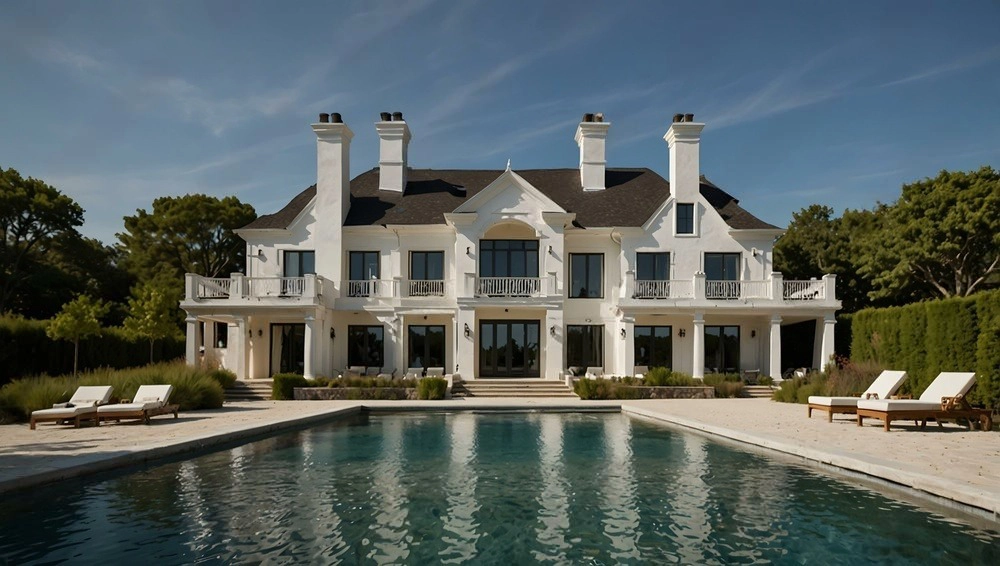
“Luxury” is often mistaken for aesthetics. Marble kitchens. Ocean views. Private gates. But true white-glove estate property management is not about what you see; it’s about what functions flawlessly behind the scenes.
At its highest level, estate oversight is a disciplined system of structure, financial intelligence, and long-term estate planning. It transforms a residence from a maintained property into a protected asset.
True Property Management Is Structure, Not Service
Traditional property management is reactive. Property managers are called in when an emergency happens, such as a pipe bursting. True estate management is proactive. It anticipates mechanical failures before they happen. It aligns maintenance cycles with seasonal transitions. It audits vendor contracts, tracks capital expenditures, and protects operational continuity.
Diligent estate property management is the difference between managing a house and stewarding a high-value asset. In markets like New York estate management, where climate, regulation, and seasonality add complexity, discipline becomes essential. Coastal conditions in the Hamptons. Vertical living in Manhattan. Multi-property ownership across regions. Without structure, even the most beautiful estate drifts toward inefficiency.
The Financial Intelligence Behind the Home
A magnificent estate is both a sanctuary and an investment. True estate property management integrates operational oversight with financial strategy. OPEX and CAPEX forecasting. Vendor performance tracking. Preventive versus reactive maintenance ratios. Long-term capital planning. This is where many traditional New York property management firms fall short. They maintain, but they do not measure.. They respond, but they do not forecast.
Modern estate stewardship requires data-informed oversight. Every decision must be traceable, every expense accountable, and every upgrade intentional. Because success is not excess, it is precision.
Estate Planning Begins at the Property Level
Many owners approach estate planning through legal and financial instruments alone. Trusts. Holdings. Tax strategies. Yet the physical estate itself is often left under-structured. Without disciplined estate management, assets deteriorate. Projects drift. Vendors multiply. Institutional knowledge disappears when staff changes.
True estate property management protects generational continuity. It ensures that the home, often the centerpiece of legacy, remains aligned with long-term vision.
The Difference Between Maintenance and Stewardship
Maintenance sustains the present. Stewardship protects the future. In New York estate management, where properties must endure coastal weather, regulatory scrutiny, and evolving infrastructure demands, stewardship requires foresight. Preventive engineering. Transparent reporting. Seasonal recalibration. Capital discipline.
The result is not just operational efficiency; it is calm. Homes that transition seamlessly between seasons. Projects delivered on time and within scope. Financial clarity that eliminates uncertainty. That is what defines an estate.
A New Standard for Estate Property Management
True estate property management is measurable, accountable, and intentional. It is not personality-driven. It is system-driven. It aligns people, processes, and property into one continuous rhythm.
Success is no longer defined by appearance alone. It is defined by continuity, foresight, and disciplined care. Because when structure is sound, life inside the home becomes effortless. And effortless living is the highest form of luxury.